170 Templates 3D SVG Paper Flowers Review
As a digital product creator who has spent years refining my shop’s visual identity, I approach every new asset with a mix of excitement and skepticism. When I first encountered 170 Templates, specifically within the niche of paper flowers and botanical elements, my immediate question was practical: does this actually help me build sellable products, or is it just another cluttered file dump? After spending time testing these assets across various mockups and design workflows, I have formed a clear perspective on how this collection fits into a commercial strategy.
This review is not about hype; it is about utility. If you are an Etsy seller, a print-on-demand entrepreneur, or a Cricut user looking to expand your catalog, understanding the specific nature of this asset is crucial before you invest your time in integrating it into your brand.
First Impressions and Visual Personality
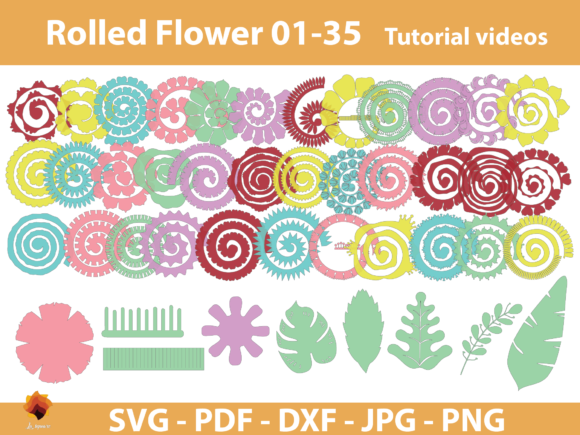
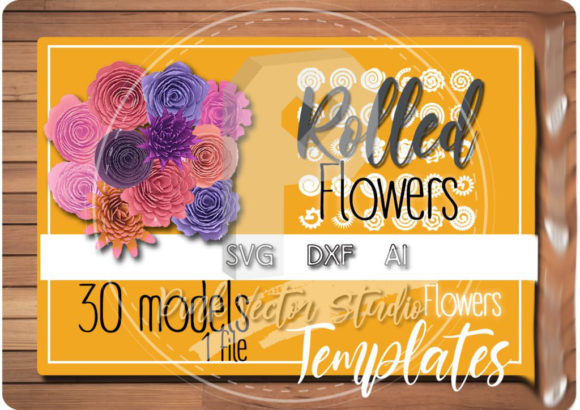
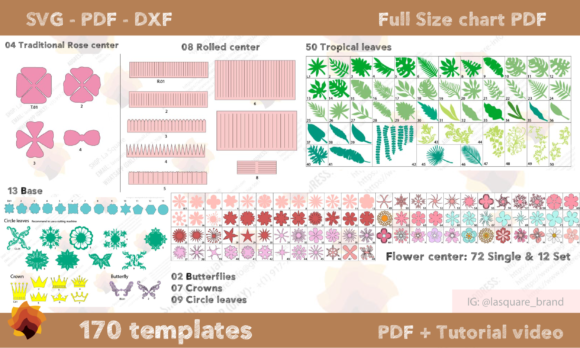
The moment you unzip the folder, the sheer volume of files becomes apparent. The description notes that these are flower base, flower centers, leaves templates, which immediately sets expectations. This is not a finished bouquet ready for sublimation; it is a construction kit. The absence of pre-made petal flower templates means you get the structural components—the foundation upon which complex designs are built. This distinction is vital for designers who want unique outputs rather than generic, mass-produced looks.
Visually, the aesthetic leans towards elegant and decorative. These assets possess a handmade quality that resonates well with audiences seeking rustic, feminine, or premium craft vibes. They are not minimal or starkly modern; instead, they offer depth and texture, making them ideal for brands that want to convey warmth and creativity. For a small business owner, this personality helps in creating a cohesive look for seasonal collections, particularly around weddings, spring holidays, or nursery decor themes.
Strategic Applications for Digital Sellers
In the current creative marketplace, versatility is currency. Here is how I see 170 Templates being deployed across different product lines:
- SVG Design and Cricut Projects: Since these are primarily vector-based structures, they are perfect for layered papercraft projects. You can use the bases and centers to create intricate wall art or dimensional greeting cards. The clean cut lines allow for precise slicing, which is essential for high-quality physical products.
- PNG Design and Clipart Bundles: The included PNG files are robust, offering transparency that makes them easy to layer over backgrounds. This is excellent for creating clipart bundles where customers can mix and match leaves and centers to create their own floral arrangements.
- Sublimation Design and T-Shirt Graphics: While not full blooms, these elements work beautifully as part of larger compositions. Imagine a t-shirt design featuring a cluster of these bases surrounded by typography, or a mug design using the leaves as a framing element for a quote.
- Printable Wall Art and Nursery Prints: The detailed nature of the centers and leaves adds sophistication to printable art. By arranging these elements asymmetrically, you can create gallery-wall sets that feel curated and expensive.
- Canva Template Integration: For those selling Canva templates for invitations or social media graphics, these assets serve as premium decorative accents. They elevate simple layouts, adding a touch of luxury that attracts higher-paying clients.
Product Presentation and Mockup Strategy
A common mistake sellers make is uploading raw images without context. To maximize click-through potential, you must visualize how these assets perform in real-world scenarios. 170 Templates shines when used in thematic bundles. For instance, grouping the flower bases with complementary script fonts creates a "Wedding Invitation Kit" that tells a story.
When creating listing images, focus on visual hierarchy. Show the individual components (the base, the center, the leaf) separately to highlight the detail, then show a composite image of what is possible. This demonstrates value and educates the buyer on the asset's flexibility. Use white backgrounds for clarity in thumbnails, but also test dark backgrounds to ensure the contrast remains strong. A well-executed product mockup featuring these elements on a tote bag or a ceramic mug can significantly boost perceived value, signaling to the customer that this is a professional-grade graphic design asset.
Where Caution Is Required
No asset is universally perfect, and there are specific areas where 170 Templates requires careful handling. Because the files are heavy and numerous, organization is key. If you do not sort these into logical folders (e.g., "Bases," "Centers," "Leaves"), your workflow will suffer, and your customers may struggle to find what they need.
Furthermore, be mindful of scale. These designs contain intricate details that may disappear if scaled down too small. Avoid using them for tiny sticker designs or crowded thumbnail icons where the fine lines of the centers might blur. Similarly, while the SVGs are likely crisp, always inspect the cut quality if you plan to sell them for cutting machines like Silhouette or Cricut. Ensure that overlapping paths do not cause confusion during the slicing process.
Another consideration is resolution. The prompt mentions that PNG and JPG templates are heavy. While this implies high detail, it also means large file sizes. For web use, compress these images appropriately to maintain fast loading times without sacrificing visual fidelity. Low-resolution prints should be avoided unless you have verified the DPI is sufficient for the intended output size.
Practical Seller Notes for Implementation
To truly leverage this digital product, I recommend the following workflow:
- Test on Real Mockups: Before publishing, place the designs on actual product mockups. Check how they look on textured surfaces like wood or fabric, as paper flower aesthetics often pair well with natural materials.
- Verify Transparency: Open the PNG files on a colored background to ensure the alpha channel is clean. No one wants jagged edges around their delicate floral centers.
- Font Pairing: Experiment with different typefaces. Serif fonts add elegance, sans serif fonts provide modern contrast, and handwritten fonts enhance the handmade vibe. Test at least three combinations to see which supports the brand identity best.
- Commercial Licensing: Always confirm the commercial license terms. Even if the asset allows for resale, some licenses restrict the number of end-products or require attribution. Protect your small business branding by staying compliant.
- File Organization: Create a clear directory structure for your final deliverables. Group related files together and include a README file explaining how to use the bases and centers. This reduces customer support queries and increases satisfaction.
Final Verdict
170 Templates is a powerful tool for creators who understand that good design is about assembly, not just acquisition. It is not a plug-and-play solution for instant gratification; it is a library of high-quality components for those willing to put in the creative effort. For Etsy sellers, print-on-demand entrepreneurs, and digital download creators, this asset offers significant potential to diversify product offerings, particularly in the decorative and botanical niches. By testing thoroughly, organizing wisely, and presenting professionally, you can turn these structural elements into a profitable line of design assets that stand out in a crowded market.