Flowers. Line Art.: A Designer’s Review for Embroidery Projects
As a designer who spends more time looking at stitch density and fabric grain than I do at actual flowers, I approach every new digital asset with a healthy dose of skepticism. We have all been there: you buy a beautiful vector or illustration, only to realize too late that it is impossible to digitize without losing its soul. That is why I decided to put Flowers. Line Art. through the wringer before recommending it to my network of craft business owners, Etsy sellers, and fellow makers. This collection promises simplicity—a clean line art style on a white background—but in embroidery, simplicity is often the hardest thing to execute perfectly.
The First Impression: Mood and Visual Personality
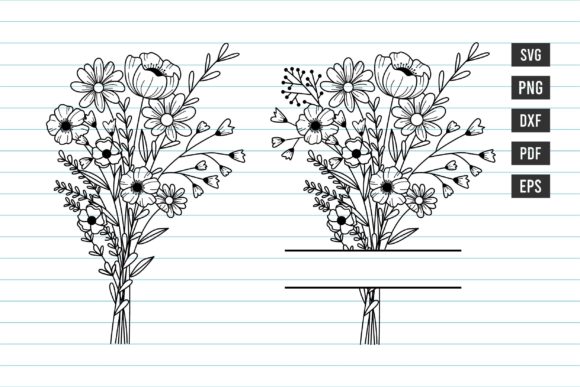
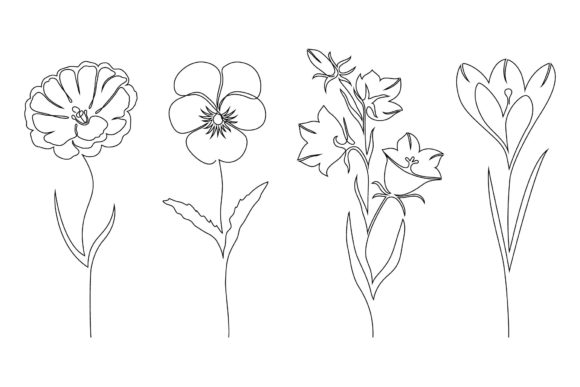
When I first opened the ZIP archive containing the eps, png, and svg files, the immediate takeaway was clarity. The design does not clutter your workspace. In a sea of busy floral patterns filled with heavy fills and intricate shading, Flowers. Line Art. stands out because it trusts the negative space. It feels airy, modern, and sophisticated. For an embroidery project, this translates to a design that breathes. It avoids the "muddy" look that often plagues dense floral stitches, where thread piles up so thickly that the underlying fabric disappears entirely.
The mood is distinctly minimalist yet romantic. It appeals to the customer who wants something handmade but chic, rather than traditional or rustic. It fits perfectly into the current aesthetic trends seen on Pinterest boards for nursery decor, boutique branding, and modern wedding gifts. The lines are crisp, which suggests that when converted into a machine embroidery design, the resulting satin stitches will have sharp edges rather than jagged, confused transitions. This visual cleanliness is a huge plus for any custom apparel or personalized gift where legibility is key.
Real-World Application: From Screen to Stitch
I tested the concept of Flowers. Line Art. in several hypothetical scenarios to see how it would hold up as a finished product. The most compelling use case I found was for a custom embroidered tote bag design. Imagine a canvas tote with a single, elegant line-art flower centered on the front. Because the design relies on outlines rather than solid blocks of color, it allows the texture of the canvas to show through. This creates a layered effect that looks expensive and intentional. It is a perfect example of how a digital embroidery file can elevate a basic commodity item into a small shop product worthy of a higher price point.
Another strong contender is sweatshirt embroidery. Many designers avoid delicate lines on fleece or cotton blends because the fabric tends to pucker under tension. However, because Flowers. Line Art. likely utilizes a mix of running stitches and light satin borders, it puts less stress on the garment. When paired with a high-quality stabilizer, the result is a handmade product that lays flat and feels comfortable against the skin. This makes it ideal for apparel decorators looking to create unisex streetwear or cozy loungewear brands.
For those selling on Etsy, this design also works beautifully as a printable mockup component. Even if you are selling the digital file itself as a graphics asset, the clean white background ensures it can be easily composited into lifestyle images. Buyers love seeing how a design might look on a real object, and the versatility of these line art flowers allows them to be scaled up for large statements or kept small for subtle accents.
Where to Exercise Caution
While the design is versatile, it is not without its pitfalls. There are specific situations where Flowers. Line Art. might struggle if you are not careful. First, consider the hoop size. If you attempt to embroider this design in a very small hoop, such as one used for embroidered patches or jewelry tags, the fine lines may become indistinguishable. Thin threads can break or merge together if the scale is too small, turning what should be a delicate petal into a blob. Always test the scale relative to your needle thickness.
Fabric choice is equally critical. Avoid using this design on textured fabrics like terry cloth or heavily woven burlap unless you are prepared for the lines to distort. The instability of the surface will cause the satin stitches to wander. Similarly, thin or stretchy fabrics like jersey knits require a heavy-duty stabilizer; otherwise, the tension from the outline stitches will cause the fabric to pucker significantly. Dark fabrics present another challenge. Since the original assets are on a white background, you must ensure you are using light-colored thread. If you try to stitch light lines onto dark fabric without proper underlay, the contrast may be lost, making the design invisible.
Technical Considerations for the Savvy Maker
Before you load this into your machine, there are practical steps every professional takes. I strongly advise testing the design on scrap fabric first. This allows you to check thread colors and confirm that the stitch density is appropriate for the material you are using. If the lines appear too sparse, you might need to add a light fill behind them to prevent the fabric from showing through too much. Conversely, if they look too heavy, you may need to adjust the stitch length.
Inspect the small details closely. In line art, the corners and intersections are where errors usually hide. Look for any overlapping paths that might cause the machine to re-stitch the same area unnecessarily, which can lead to thread breaks or bulky spots. It is also wise to view the design in black and white mockups. Sometimes, color distracts us from structural issues. If the shape reads clearly in grayscale, it will likely embroider well.
Furthermore, always review the licensing terms. While the product description mentions receiving various file formats including eps and svg, it does not explicitly state whether this is a commercial license. As a craft business owner, you cannot afford to guess. If you plan to sell finished products featuring Flowers. Line Art., you must confirm that you have the right to do so. Using a design for commercial embroidery without proper permission can lead to serious legal issues. If the license is unclear, reach out to the creator or assume it is for personal use only until verified.
Final Verdict: Is It Worth the Investment?
Ultimately, Flowers. Line Art. is a thoughtful addition to any designer’s library. It offers a refined alternative to the typical busy floral patterns that saturate the market. Its strength lies in its adaptability—it works for baby embroidery projects, holiday embroidery gifts, and even kitchen towel decorations where a touch of elegance is desired. The inclusion of multiple file types means you can use it for both physical stitching and digital presentations, making it a valuable design asset.
However, success depends on your execution. You must respect the limitations of the medium. Use good stabilizers, choose the right fabric, and test thoroughly. When done correctly, the final embroidery project will look professional, polished, and highly desirable. For Etsy sellers and creative entrepreneurs looking to add a touch of modern sophistication to their inventory, this line art collection is a smart, low-risk, high-reward choice. It proves that sometimes, less really is more.