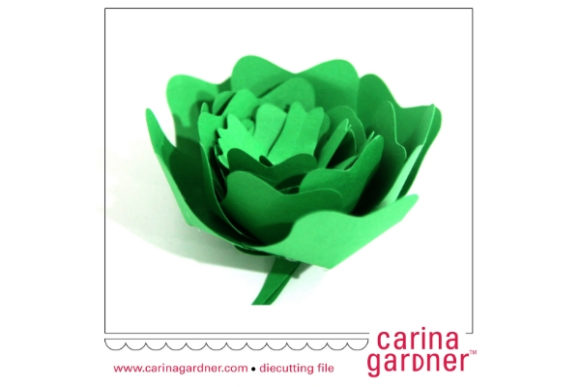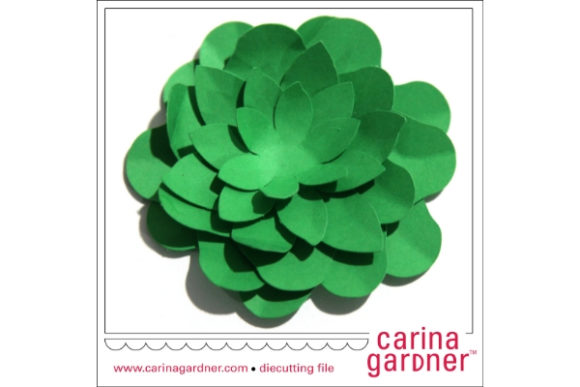
Happy Succulent: 3D SVG Paper Flowers for Editorial Use
In the world of digital publishing, visual hierarchy is not merely an aesthetic choice; it is a functional necessity. As a blog designer and digital publisher who has spent years optimizing content for both readability and engagement, I approach every new graphic design asset with a critical eye. We are looking for more than just pretty pictures. We need assets that support our brand identity, enhance user experience, and drive performance metrics like click-through rates and time on page. Recently, I evaluated a product titled "Happy Succulent," which markets itself as a 3D SVG within the Paper Flowers category. This review explores how this specific design file fits into a professional publishing workflow, from newsletter headers to downloadable lead magnets.
The First Impression: Mood and Editorial Fit
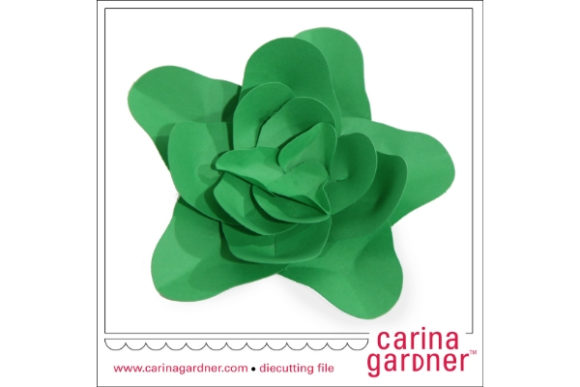
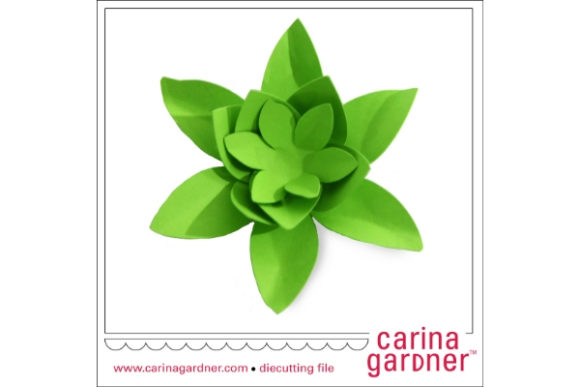
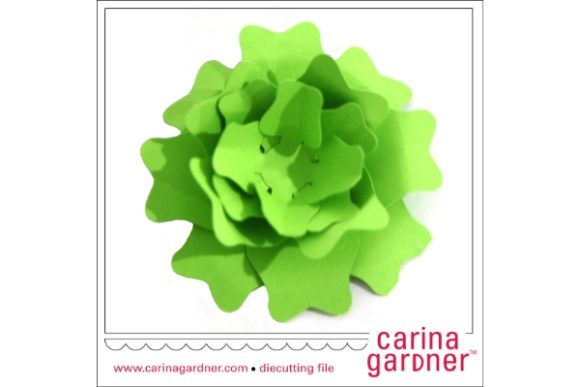
When you first open the zip file containing the SVG and PNG versions of Happy Succulent, the immediate takeaway is its vibrant, tactile quality. Unlike flat vector icons that can feel sterile or corporate, this design evokes a sense of organic warmth. The "happy" descriptor in the title is well-earned; the composition feels playful yet refined, leaning heavily into a lifestyle-focused aesthetic. It strikes a balance between feminine charm and modern cleanliness, making it versatile enough for a wide array of niches.
From an editorial standpoint, this asset creates a welcoming atmosphere. It signals to the reader that the content following it is approachable, creative, and perhaps a bit whimsical. It works exceptionally well for niches such as home decor, gardening, DIY crafts, wellness, and personal branding. However, because it carries a distinct decorative weight, it may clash with serious professional niches like legal advice, financial auditing, or corporate B2B services. For these sectors, the mood might be too casual. But for bloggers, online educators, and creative entrepreneurs, Happy Succulent serves as a powerful tool to soften the user interface and build emotional connection.
Integrating Design Assets into Real Publishing Workflows
A common mistake among small business owners and affiliate marketers is treating design assets as afterthoughts. In reality, your visuals are often the first point of contact. Here is how Happy Succulent can be strategically deployed across various touchpoints in a content marketing strategy:
- Blog Featured Images and Thumbnails: Use the SVG version to create custom overlays for your article headers. Because it is scalable, you can resize it without losing quality, ensuring it looks crisp on high-resolution displays. Pair it with a clean sans-serif font to maintain a strong visual hierarchy.
- Pinterest Graphics: Pinterest is a visual search engine. A bright, textured succulent graphic can stop the scroll in a feed dominated by flat photography. Create pins that highlight "DIY Home Decor" or "Spring Garden Ideas" using this asset as the central focal point.
- Newsletter Headers: Email open rates depend heavily on subject lines, but retention depends on the body content. Embedding this graphic in your monthly newsletter adds a touch of personality that encourages readers to stay engaged with your text.
- Digital Guides and Lead Magnets: If you are creating a PDF workbook, eBook, or printable checklist, use the PNG version for chapter dividers or cover accents. This elevates the perceived value of your digital product, making it feel like a premium resource rather than a basic download.
- Social Media Templates: For creators using tools like Canva, having the original SVG allows for precise editing. You can place the succulent behind quotes or announcements to create consistent, branded social media graphics that reinforce your brand identity.
Enhancing Content Performance and Trust
Why does this matter? Because polished visuals directly influence reader trust. When a website looks professionally designed, visitors subconsciously assume the content inside is also well-researched and reliable. By integrating a cohesive set of design assets like Happy Succulent, you create a unified visual language. This consistency improves category recognition; over time, readers will associate that specific floral motif with your unique voice.
Furthermore, a stronger first impression leads to better click-through potential. On crowded platforms like Instagram or Pinterest, a graphic with depth and texture stands out against flat backgrounds. This asset supports content marketing goals by making your posts more shareable. Users are more likely to pin or save an image that looks complete and aesthetically pleasing, extending the reach of your content organically.
Strategic Placement: Where It Works Best
To maximize the impact of this creative design, consider where it shines brightest. It is ideal for hero images on landing pages, where space allows the detail to breathe. It works beautifully as an editorial accent in sidebars or footers. For website header designs, placing it subtly in the corner can add character without distracting from navigation. It is also excellent for printable design projects, such as planners, journals, or wall art, where the 3D SVG nature implies a crafty, hands-on utility.
However, there are contexts where caution is required. Avoid using this asset in small mobile thumbnails where the details may become muddy or indistinguishable. Do not pair it with heavy, dense blocks of text, as the decorative nature can compete for attention. Be mindful of low-contrast backgrounds; ensure the colors pop against your site’s theme. Additionally, if your website employs a very minimal visual system or targets a conservative corporate audience, this asset might feel out of place. In such cases, opt for simpler geometric shapes or monochrome icons.
Practical Publisher Notes for Implementation
Before adding Happy Succulent to your library, keep these technical and strategic notes in mind. First, test the asset on both desktop and mobile screens. What looks balanced on a wide monitor might look cramped on a smartphone. Preview the graphic inside a real blog layout to see how it interacts with your typography. Try placing it beside different font styles—serif fonts for a classic look, script fonts for elegance, or handwritten fonts for a personal touch—and observe the harmony.
Technical optimization is crucial for web performance. Check the file size of the PNG exports. Large images slow down page load times, which negatively impacts SEO and user experience. Compress images properly before uploading them to your media library. While the SVG is lightweight and scalable, ensure the PNG versions are optimized for the web.
Finally, verify the commercial license. Even though this is a digital download available through a creative marketplace, terms vary. Confirm that you have the right to use the asset on monetized websites, affiliate pages, and paid content products. Using a commercial license correctly protects your business from legal issues and ensures ethical small business branding.
In conclusion, Happy Succulent is more than just a clipart image. It is a versatile graphic design asset that can elevate the editorial quality of your digital presence. Whether you are designing a Canva template for clients or sprucing up your own affiliate marketing materials, this Paper Flowers collection offers the depth and charm needed to create content that resonates. By integrating it thoughtfully into your web design and editorial design strategies, you can build a more engaging, trustworthy, and visually compelling online brand.