Hope Flower Template: 3D SVG Paper Flowers Review
When a client approaches me with a request for brand identity that feels organic, tactile, and emotionally resonant, my first instinct is always to look for textures that mimic real-world materials. We are currently living in an era of digital saturation, so there is a profound hunger for visuals that suggest craft, care, and human touch. This is where the Hope Flower Template catches my eye. As a professional designer who frequently navigates the space between digital design assets and physical production, I evaluate every new asset not just on its aesthetic appeal, but on its utility within a commercial workflow.
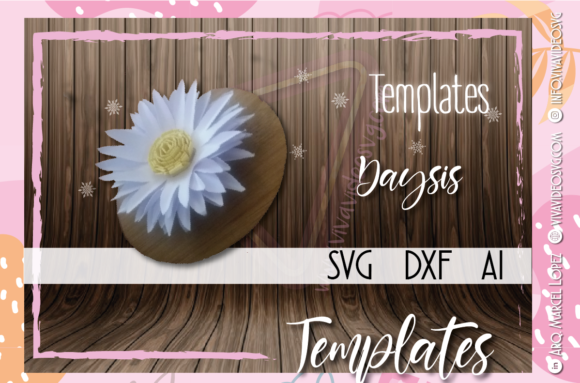
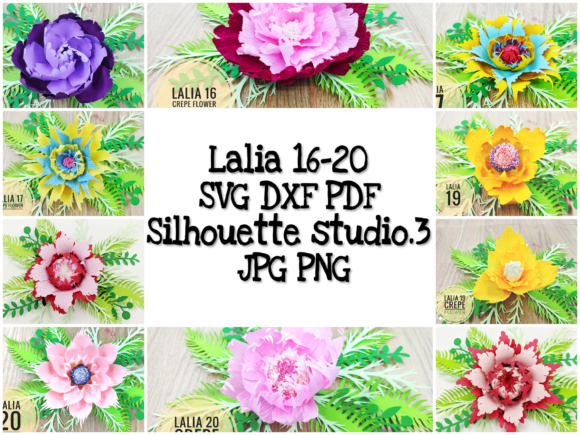
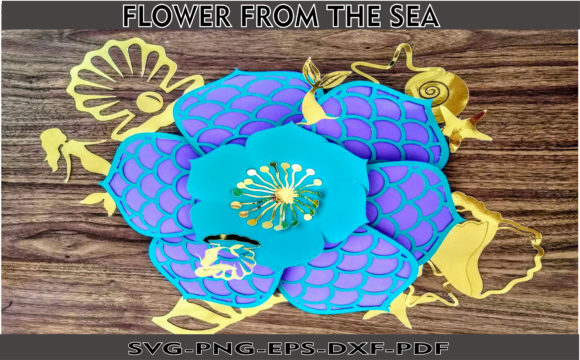
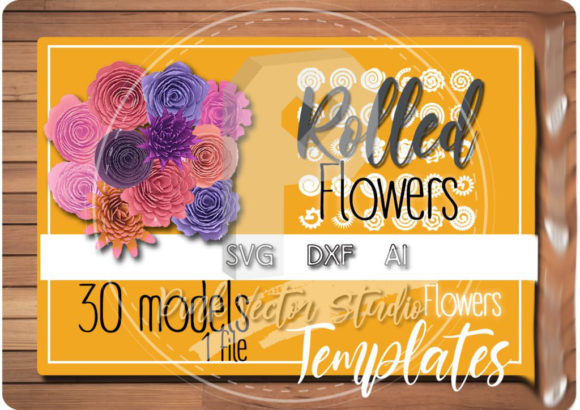
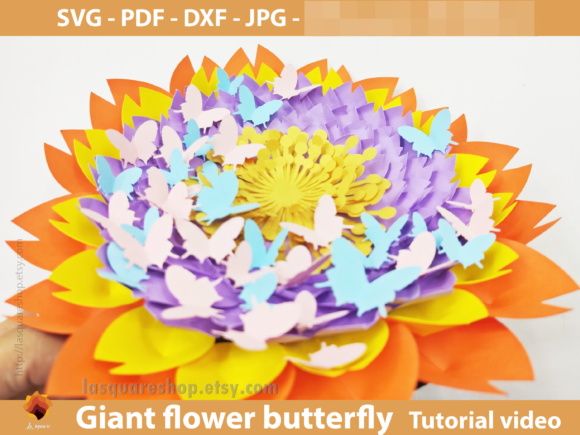
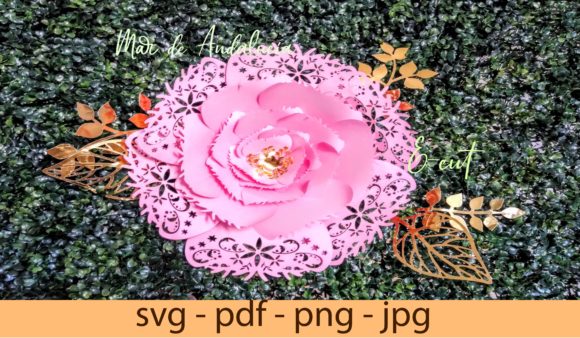
This review stems from a recent project scenario: a boutique skincare brand launching a limited-edition seasonal line. The brief required packaging that felt luxurious yet approachable, utilizing a visual language that screamed "handmade" without actually being physically handmade for every unit. Enter the Hope Flower Template. It is a specialized graphic design asset designed to simulate the depth and structure of cardstock flowers, offering petals, centerpieces, and leaves that can be assembled digitally or prepared for physical fabrication.
The First Impression: Mood and Visual Language
Upon opening the file, the immediate takeaway is the structural integrity of the design. Unlike flat clipart that often looks generic, this template leverages a 3D SVG approach (or layered PDF/PNG equivalents) to create volume. The mood it creates is one of gentle optimism—fitting for its name. The lines are clean, the proportions are balanced, and the negative space is handled with intention. It does not feel cluttered; instead, it offers a sophisticated silhouette that works well in both monochrome and full-color applications.
For designers working on modern design projects that lean into the "cottagecore" or artisanal aesthetic, this asset bridges the gap between illustration and photography. It provides the softness of a photograph with the scalability and editability of vector graphics. When placed against a textured background, such as kraft paper or linen, the Hope Flower Template enhances the tactile illusion, making it an excellent choice for packaging design where shelf presence is critical.
Real-World Application: From Screen to Shelf
In a real client context, versatility is king. I tested this template across several mockups to see how it holds up under pressure. Here is how it performed in key areas:
- Packaging Design & Product Labels: The layered nature of the petals allows for shadow effects that add realism. On a small product label, it acts as a focal point that draws the eye without overwhelming the typography. It elevates a simple box into a premium unboxing experience.
- Social Media Graphics & Digital Ads: For social media graphics, the high contrast of the flower shapes ensures visibility even at thumbnail size. It works beautifully as a hero graphic for Instagram posts or Pinterest pins, especially when paired with pastel color palettes that complement the natural theme.
- Merchandise & Print-on-Demand: If you are a print-on-demand seller, this asset is a goldmine. The structure translates exceptionally well to t-shirt designs, tote bags, and mugs. Because it simulates cardstock, it has a distinct edge over standard floral illustrations, giving your merchandise a unique selling proposition.
- Cricut Projects & Sublimation: For crafters and small business owners using cutting machines, the inclusion of separate layers for petals and leaves is crucial. It allows for precise cutting paths, ensuring that the final physical product matches the digital preview. This reduces waste and increases efficiency in production.
Strategic Placement: Where It Shines and Where to Hesitate
Not every design element belongs everywhere. Understanding the limitations of the Hope Flower Template is just as important as knowing its strengths. In terms of visual hierarchy, this asset commands attention. Therefore, it should be used strategically.
Best Use Cases:
- Large Layout Areas: Use it as a dominant background element or a central hero image where its details can be appreciated.
- Decorative Accents: It serves as an elegant divider or corner ornament in editorial design or invitation suites.
- Themed Collections: When building a cohesive brand kit, this template adds consistency to a series of related products, such as wedding stationery or baby shower invites.
Areas for Caution:
Designers must be careful when placing this asset in crowded layouts. Because it contains multiple internal elements (petals, centers, leaves), reducing it too far can cause visual noise. Avoid using it as a tiny icon in a navigation bar or alongside dense blocks of text. Furthermore, on low-contrast backgrounds, the subtleties of the 3D effect may be lost, resulting in a flat appearance that undermines the quality of the asset. For professional corporate materials requiring strict minimalism, this asset might be too ornate; reserve it for brands that value warmth and creativity over stark neutrality.
Technical Considerations for Professional Workflows
Before integrating the Hope Flower Template into a paid client project, a thorough technical audit is necessary. The availability of formats is a strong point: the package typically includes a PDF compatible with Adobe Illustrator (Ai) or CorelDRAW (Cdr), along with a PNG for quick use in tools like Canva or Photoshop.
However, reliance on PNGs alone can limit scalability. If the PDF/SVG component is truly vector-based, you gain infinite scalability, which is essential for large-format printing like banners or vehicle wraps. I recommend inspecting the vector paths to ensure they are clean and free of unnecessary anchor points, which can bloat file sizes and complicate editing. If you are using the PNG version, check the transparency edges closely to ensure no white halos remain, which can ruin the integration with dark backgrounds.
Another critical step is testing print quality. Run a test print at actual size to verify that the line weights hold up. Sometimes, what looks crisp on a monitor appears slightly fuzzy or thin in ink. Additionally, consider how the asset interacts with different font pairings. The organic curves of the flower balance well with serif fonts for elegance, sans-serif fonts for modern clarity, and script fonts for a personal touch. Avoid pairing it with overly rigid display fonts that clash with the natural theme.
Final Verdict: A Versatile Tool for Creative Minds
The Hope Flower Template is more than just a decorative clipart; it is a functional creative design tool that supports a wide range of commercial applications. Its ability to mimic physical cardstock gives it a tangible quality that resonates with consumers in today’s market. Whether you are designing a brand identity for a handmade business, creating marketing visuals for an online launch, or preparing files for a Cricut project, this asset delivers professional results.
For designers seeking to add depth and emotion to their work without starting from scratch, this template offers significant value. Just remember to respect its visual weight, test it rigorously in your specific context, and always confirm the commercial license terms before deploying it in a revenue-generating project. When used with judgment and skill, the Hope Flower Template becomes an indispensable part of any designer’s toolkit for creating memorable, heartfelt visual experiences.