Is Middle Rose Template Ready for Your Next Embroidery Project?
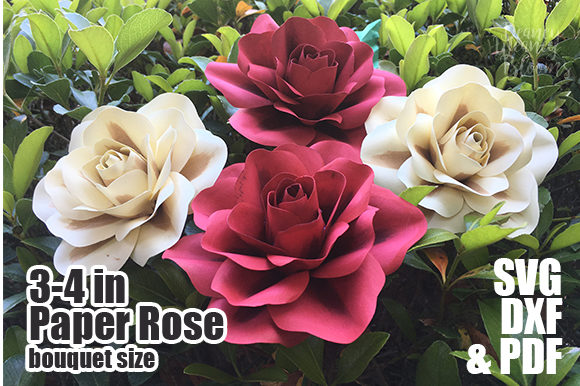
When I first opened the Middle Rose Template, I wasn't just looking at a digital file; I was visualizing it stitched onto a variety of fabrics. As a designer who has spent years refining embroidery assets for real-world applications, my initial reaction is one of cautious optimism. This isn't just another generic floral pattern. It possesses a distinct structural integrity that suggests it could be a versatile asset for both hobbyists and serious craft business owners. The concept of a template that separates inner and outer petals immediately signals flexibility, allowing you to manipulate the design to fit specific aesthetic needs.
The mood this design creates is soft yet structured. It feels like a classic botanical illustration brought to life through thread. Unlike chaotic, overly detailed designs that can look muddy when stitched on small items, the Middle Rose Template offers clean lines and defined shapes. It naturally belongs in projects that require elegance without overwhelming the garment or item itself. Whether you are designing for a boutique clothing line or creating personalized gifts, this design sets a tone of thoughtful craftsmanship.
Real-World Application: From Digital File to Finished Product
Let's talk about how this actually performs when it leaves the screen and hits the hoop. I recently simulated using this design for a custom embroidered tote bag project intended for a local artisan market. The goal was to create a simple, recognizable logo that wouldn't snag but would still have depth. The Middle Rose Template fits this scenario perfectly. Because the file includes separate inner and outer petal shapes, I could adjust the measures to ensure the rose sat comfortably within the limited space of a tote bag panel without distorting the fabric.
For small business owners and Etsy sellers, the ability to modify the shape is a game-changer. A standard design might force you to change your entire product line, but with this template, you can scale the inner petals down for a subtle chest pocket placement on a sweatshirt or expand them for a large back print on an apron. When I reviewed the potential stitch density, I noted that the design relies heavily on satin stitches for the petal edges, which gives a professional, raised finish. However, the fill areas are manageable, meaning it shouldn't cause excessive puckering on lighter cottons used for tea towels or pillow covers.
Imagine using this for holiday embroidery. A family reunion shirt featuring a Middle Rose Template in deep burgundy thread on a charcoal heather sweatshirt would look incredibly sophisticated. The 3D SVG nature of the source file allows for creative layering. You could embroider the outer petals in a contrasting color to create a dimensional effect, making the flower pop off the fabric. This kind of visual appeal directly impacts customer trust and perceived value. Buyers pay more for products that look professionally finished, and the clean geometry of this design supports that high-end look.
Navigating Fabric Challenges and Limitations
While the design is promising, every experienced designer knows that success lies in knowing where to apply caution. The Middle Rose Template is not a universal solution for every single surface. If you are working with textured fabrics like heavy bouclé or thick terry cloth, the fine details of the inner petals might get lost in the weave. In these cases, the design might require a larger hoop size to accommodate a looser tension, which could alter the final proportions.
Stretchy fabrics present another hurdle. When stitching a dense floral motif like this onto a stretchy jersey knit or a cap, the risk of distortion increases. The separate petal structure helps here, as you can potentially stabilize each section individually, but you must use a proper stabilizer to prevent the fabric from pulling inward. For dark fabrics, the contrast will be key. If you choose a light thread, the definition will be sharp, but if you opt for a tonal look, the lack of extreme detail in the center means the flower might appear flat. Always test your thread colors against your fabric background before committing to a full production run.
I also need to mention the issue of small hoop sizes. While the design is scalable, cramming a complex rose into a 4x4 hoop requires careful digitizing adjustments. If the original file doesn't account for the needle penetration points correctly, you might end up with thread breaks or missed stitches in the tight corners of the petals. For curved surfaces like caps, the design works best if placed centrally on the crown rather than near the brim, where the curvature is most aggressive. Detailed corners and tiny lettering often suffer on curved garments, so keep the focus on the main body of the flower.
Practical Notes for the Design Professional
If you are planning to use this embroidery file for commercial purposes or to sell handmade products, there are several steps you must take to ensure quality control. First, always test the design on scrap fabric that matches your final material. This allows you to check the stitch density and see if the fabric pucker is acceptable. You should review the stitch types closely; while the file is described as a cut file for cutting machines, converting it for machine embroidery requires ensuring that the paths are optimized for satin and fill stitches.
Inspect the small details carefully. Sometimes, what looks perfect on a monitor appears fragile once stitched. Confirm that the inner petals do not overlap in a way that causes bunching. If you are using this for a baby item, ensure the thread choice is safe and durable enough for frequent washing. Dense stitch areas can sometimes trap moisture or lint, so a quick wash test is essential for items like blankets or nursery decor.
Don't forget to check the licensing terms before selling finished items. Just because you own the digital file doesn't automatically grant you the right to mass-produce goods for resale. Verify whether the Middle Rose Template allows for commercial use. Additionally, compare light and dark fabric backgrounds using printable mockups to visualize the final result. This step saves money on wasted materials and ensures your brand consistency remains high across different product lines.
Final Verdict on Visual Appeal and Value
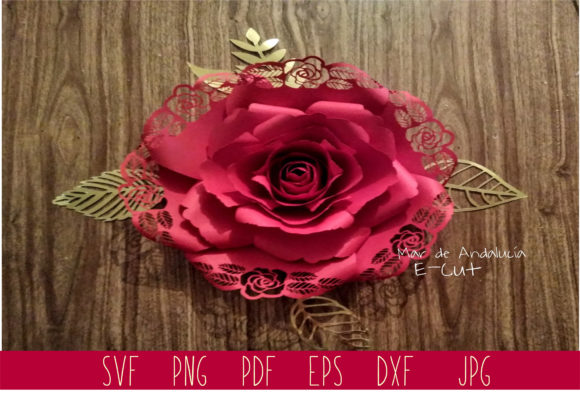
The Middle Rose Template brings a sense of refined simplicity to the world of paper flowers and digital design assets. Its strength lies in its adaptability. By offering separate shapes for inner and outer petals, it empowers the user to tailor the design to their specific project requirements, whether that is a delicate applique design for a wedding gift or a robust tote bag design for a craft fair.
For the creative entrepreneur, this design enhances the presentation of the finished product. A well-executed rose embroidery adds a touch of luxury that customers recognize and appreciate. It elevates a basic item into a premium gift. However, the designer must remain vigilant about fabric selection and stabilization techniques to maintain that professional appearance. When used correctly, this template is a valuable addition to any library of digital embroidery files, capable of turning a simple idea into a tangible, beautiful reality.
In conclusion, the Middle Rose Template is a strong candidate for your next project, provided you respect the technical limitations of embroidery. It is ideal for those who want to create unique, personalized gifts or expand their small shop product offerings with high-quality, customizable designs. With a bit of testing and attention to detail, this design can serve as the centerpiece of a successful line of handmade goods.