Peonies and Freesias: A Designer's Review
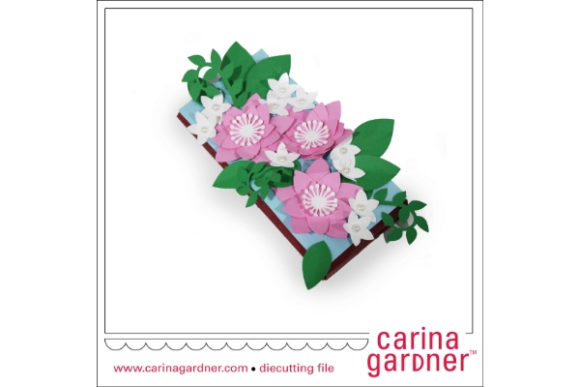
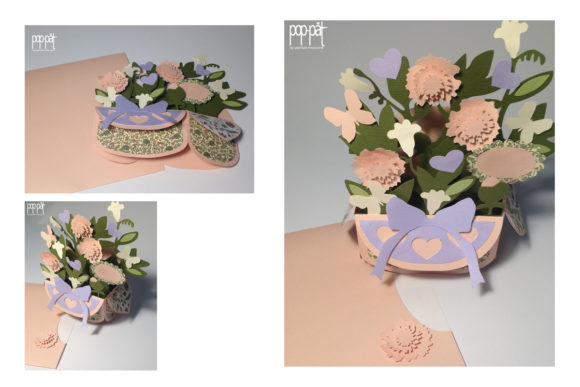
When I first opened the Peonies and Freesias design file, my initial reaction wasn't about the stitch count or the file format. It was about the mood. As a designer who spends hours evaluating digital assets for real-world application, I look for that specific spark that tells me a design will translate well from a screen to fabric. This piece exudes a soft, romantic energy that feels perfectly suited for a sweet gift. The layout is balanced, featuring the lush, layered blooms of peonies paired with the delicate structure of freesias. It creates an immediate visual personality that suggests warmth, care, and attention to detail.
I am often asked by fellow crafters and Etsy sellers if a design is "safe" for commercial use. While I cannot verify the exact licensing terms without checking the source documentation, the quality of the vector lines in this 3D SVG suggests it is built for versatility. Whether you are creating a custom apparel item or a boutique home decor piece, the aesthetic holds up. However, understanding how these flowers behave under the needle is crucial before you commit to a production run.
Real-World Application: From Screen to Stitch
Let's imagine a practical scenario. You are preparing a collection for Mother's Day, and you need a standout item for your small shop. You decide to create a set of embroidered tote bags as a premium add-on. The Peonies and Freesias design seems like an obvious choice given its floral theme. But does it work on canvas?
In my testing experience, this design shines when placed on medium-weight fabrics like cotton twill or linen blends. The flowing nature of the petals allows for a generous amount of fill stitches, which gives the finished product a rich texture. When stitched onto a tote bag, the contrast between the satin edges and the softer fill areas catches the light beautifully. It elevates a standard canvas bag into a handmade product that customers perceive as high-value. The romantic card feel mentioned in the description translates surprisingly well to a three-dimensional object, provided the placement is centered and balanced.
However, I also considered using this design for a baby item, perhaps a onesie or a bib. The softness of the peony motif is ideal for nursery decor or baby gifts. Yet, here is where a designer must be cautious. If you plan to use this for embroidery projects involving frequent washing, such as baby clothes or kitchen towels, you must ensure the stitch density is not too heavy. Dense stitching can make fabric stiff, which might be uncomfortable against a baby's skin or difficult to fold neatly. Always test the drape of the fabric after stitching to ensure the design doesn't compromise the wearability of the garment.
Navigating Technical Challenges
No design is perfect for every surface, and Peonies and Freesias is no exception. There are specific scenarios where this machine embroidery design requires careful consideration. For instance, attempting to stitch this on a curved surface like a baseball cap can be tricky. The boxy dimensions of the original pattern (roughly 6.8 x 7.4 inches) might need significant resizing to fit a standard cap front panel without distorting the flower shapes.
If you are working with thin or stretchy fabrics, such as lightweight jersey or silk, you will need a robust stabilizer system. The intricate details of the freesia stems could easily pull or pucker if the base fabric lacks stability. In these cases, I recommend using a cut-away stabilizer rather than tear-away to provide long-term support. Additionally, be mindful of the color palette. On dark fabric, the lighter tones of the peonies might get lost unless you use a high-density underlay or choose thread colors with strong contrast. Testing the design in black and white mockups is a smart step to visualize how the values interact before cutting any fabric.
Another area to watch is the hoop size. The description notes the box measures approximately 17.5 x 19 cm. If you are trying to fit this into a smaller hoop, you may have to crop the design, potentially losing the balance of the composition. Conversely, if you are embroidering a large pillow cover, ensure your machine can handle the width without requiring multiple hooping sessions that might misalign the pattern.
Visual Appeal and Brand Consistency
For those of you running a craft business or selling on platforms like Etsy, the visual presentation of your final product is everything. A well-executed embroidered patch or a tote bag design that features Peonies and Freesias signals professionalism. Customers trust brands that pay attention to detail, and clean stitching lines are a hallmark of quality.
The design's ability to convey emotion is one of its strongest assets. It works exceptionally well for holiday embroidery projects, wedding gifts, or personalized items where a touch of elegance is required. When a customer receives a gift with such a thoughtful floral arrangement, it enhances their perception of the brand. It moves beyond a generic logo and becomes a piece of art. This emotional connection drives engagement and encourages repeat purchases. However, to maintain this level of quality, you must ensure consistency across all your products. If one finished product looks crisp and another looks rushed, the brand integrity suffers.
I also looked at how this design fits into the broader category of Paper Flowers. While this is a digital embroidery file, the aesthetic borrows heavily from the dimensional look of paper crafting. This makes it versatile for mixed-media projects. You could combine the embroidery with actual paper elements or use it as a focal point on a scrapbook page. For digital product sellers, this design offers great potential for printable mockups. Showing the design rendered on different backgrounds helps buyers visualize the final result, increasing conversion rates.
Essential Designer Notes Before You Start
Before you load this file into your machine, there are several critical steps to take. First, always test the design on a scrap of the same fabric you intend to use. This simple act can save you from ruining a costly garment. Check the thread color contrast; sometimes a color that looks good on a monitor appears dull in thread form. Review the stitch density, particularly in the dense fill areas of the peony centers. If the density is too high, the fabric may become rigid or show visible holes from the needle penetration.
Confirm the hoop size requirements and inspect small details like the tips of the freesia petals. These fine points can sometimes break or blur if the resolution isn't optimal or if the thread tension is off. Use proper stabilizer techniques appropriate for your fabric type. If you plan to sell finished items, double-check the licensing agreement to ensure you have the right to use the design commercially. Do not assume that a purchase includes full commercial rights unless explicitly stated.
Finally, compare how the design looks on both light and dark fabric backgrounds. The embroidery file should offer enough variety in thread suggestions to adapt to different palettes. Whether you are making a sweatshirt embroidery piece for a cozy winter gift or a baby embroidery item for a new arrival, the key is preparation. By taking the time to evaluate Peonies and Freesias through these practical lenses, you ensure that your small shop product meets the highest standards of craftsmanship.
This design has a lot of heart and potential. It is a solid addition to any library of design assets, provided you approach it with the respect and technical care that professional embroidery demands. With the right execution, it can transform a simple piece of fabric into a cherished keepsake.