Peony Box: A Designer's Reality Check for Embroidery
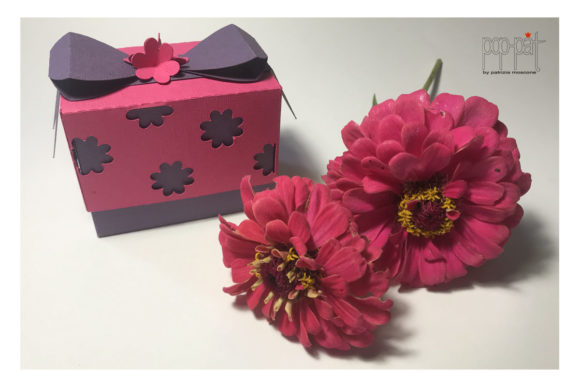
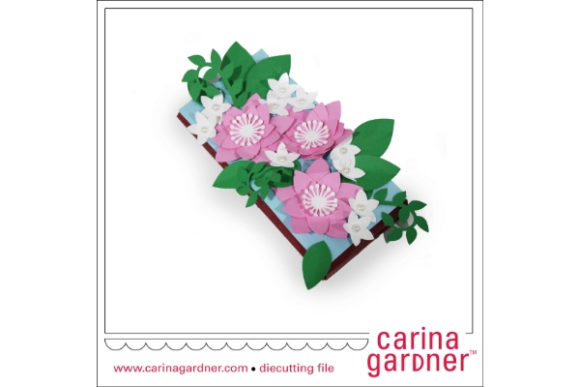
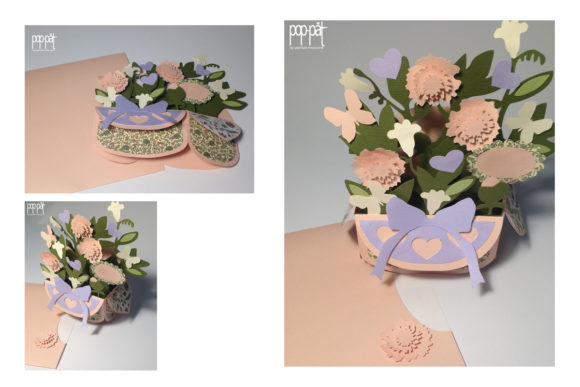
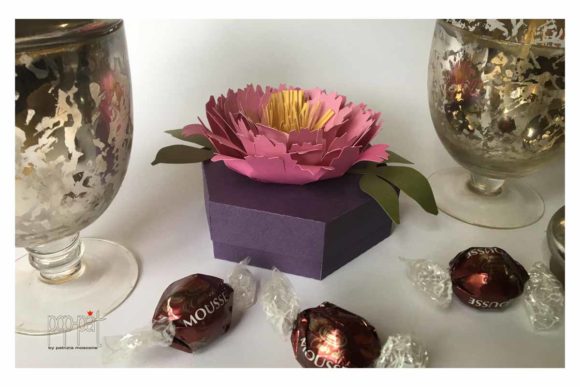
When I first opened the files for Peony Box, my initial reaction wasn't about the file formats or compatibility lists. It was about the mood. There is a specific kind of quiet luxury that a peony design can convey, and this particular layout manages to balance delicate detail with a structured, box-like composition that feels surprisingly versatile. As someone who spends hours evaluating digital assets for client work and small business merchandise, I look for designs that translate well from the screen to the fabric. This 3D SVG concept suggests depth, but in embroidery, depth is an illusion created by stitch density and thread choice. My goal here is to walk through how Peony Box performs when it leaves the computer and lands on a real project.
The First Impression: Mood and Market Fit
The visual personality of Peony Box screams "boutique." It doesn't feel like a generic floral clipart; the arrangement suggests intentionality. For a designer looking to create high-end handmade product lines, this is exactly the kind of asset that elevates a brand. The theme works beautifully for wedding gifts, nursery decor, or spring collections. However, the "box" element adds a geometric anchor that prevents the flowers from feeling too whimsical or unstructured. This makes it suitable for more than just soft, feminine items. You could easily see this design on a canvas tote bag for a coffee shop or a structured apron for a culinary instructor. The layout provides enough negative space around the central motif to allow for personalization without cluttering the design.
It is important to recognize that while the file is marketed as compatible with Cricut Design Space and Silhouette Studio, its primary strength lies in its potential as a machine embroidery design. The transition from a vector shape to stitched texture is where the magic happens. If you are an Etsy seller or a small shop owner, understanding that this design bridges the gap between paper crafting and textile art is crucial. It offers a unique selling point: a product that looks like a layered paper flower but has the durability and tactile quality of embroidery.
Real-World Application: From Tote to Towel
Let's imagine a specific scenario. I am preparing a custom order for a bridal shower gift set. The client wants embroidered tea towels and a matching tote bag. I pull up Peony Box to test the viability. On the tea towel, the design would shine. The flat surface allows for consistent tension, and the floral details would catch the light beautifully against a crisp white or linen background. The contrast between the satin stitches outlining the petals and the fill stitches inside would create a rich texture that customers love to touch.
However, moving to the tote bag requires a different strategy. Canvas is a thicker, more textured fabric. While Peony Box has the boldness to stand up to canvas, I would need to be careful with the smaller details. If the design includes tiny leaf veins or intricate centers, they might get lost in the weave of the fabric. In this case, I would likely adjust the thread colors to be slightly darker or more saturated to ensure visibility. The result would be a durable, professional-looking item that holds up to repeated washing, which is essential for a functional embroidered patch or bag.
I also considered using this for baby clothes. The soft, romantic nature of the peony fits perfectly with nursery themes. But here, safety and comfort are paramount. The design must not have any overly dense areas that could cause discomfort against a baby's skin. When reviewing the file, I check the stitch density carefully. If the center of the flower is too heavy, it might create a stiff spot on a onesie. For a sweatshirt embroidery project, the same logic applies; the design needs to breathe so the fabric retains some flexibility.
Where to Exercise Caution
No single design is perfect for every application, and being honest about limitations is part of responsible design practice. Peony Box should be used with caution on curved surfaces like caps or hats. While the "box" shape implies structure, stitching a large, detailed floral design onto a curved brim can lead to distortion if the hooping isn't perfect. The edges of the petals might pucker or stretch unevenly.
Thin fabrics are another area of concern. If you attempt to stitch this on a sheer blouse or a lightweight t-shirt without proper stabilizer, the weight of the threads could cause the fabric to tear or pucker significantly. Similarly, dark fabrics require a different approach. Unless you plan to use a backing or a contrasting underlay, the details of the flowers might disappear into the background color. Always test on scrap fabric first to see how the thread interacts with the material.
Dense stitch areas are tricky. If the design relies heavily on fill stitches to create the 3D effect, it can become rigid. This is acceptable for a pillow cover or a wall hanging, but less ideal for a garment that needs to drape softly. Additionally, if you are working with a small hoop size, you may need to split the design or reduce the scale, which could compromise the integrity of the smallest details. Always inspect the small corners and lettering (if included) to ensure they remain legible after stitching.
Visual Appeal and Brand Value
When executed correctly, Peony Box significantly boosts the perceived value of a finished product. Customers associate high-quality embroidery with professionalism and care. A clean, well-stitched floral design on a tote bag signals that the maker took time and effort, justifying a higher price point. This is vital for craft business owners who rely on repeat customers and word-of-mouth referrals.
The design also enhances giftability. A personalized gift featuring a sophisticated floral motif feels more thoughtful than a mass-produced item. The ability to customize the thread colors allows you to match specific brand palettes or client preferences, ensuring brand consistency. Whether you are creating holiday embroidery pieces or wedding gifts, the versatility of the peony theme ensures it remains relevant year after year.
Practical Designer Notes for Success
To get the most out of this asset, there are several technical steps you must take before hitting the start button on your machine. First, always test the design on scrap fabric that matches the weight and texture of your final project. This helps you gauge the required stabilizer type—cut-away for stability on knits or tear-away for wovens.
Review the stitch density closely. If the design feels too heavy, consider reducing the fill percentage or adjusting the thread path. Check the thread color contrast in both light and dark scenarios. Sometimes a design looks great on a monitor but fails in person due to poor color choices. Use black and white mockups to visualize the tonal values before committing to expensive thread spools.
If you plan to sell finished items made from this design, confirm the licensing terms explicitly. Some digital embroidery files restrict commercial use or limit the number of units you can produce. Ensure you have the right permissions for commercial embroidery projects. Also, verify the file formats provided. Since the description mentions compatibility with Silhouette Studio and Cricut Design Space, double-check that the embroidery-specific versions (like PES, DST, or XXX) are available if you intend to use them for actual stitching rather than cutting.
Finally, remember that the success of Peony Box often comes down to the finishing touches. Proper trimming of jump stitches and removing excess stabilizer will make a significant difference in the final presentation. By paying attention to these details, you transform a simple digital file into a cherished piece of art that your customers will appreciate for years to come.